
Fascia is one continuous, three-dimensional network of connective tissue that wraps around the muscles, tendons, ligaments, bones, and even internal organs. Fascia gives structure and support but also allows for smooth movement of the body. The fascial system is connected from head to tail; therefore, tension in one area can influence another area’s pattern of movement.
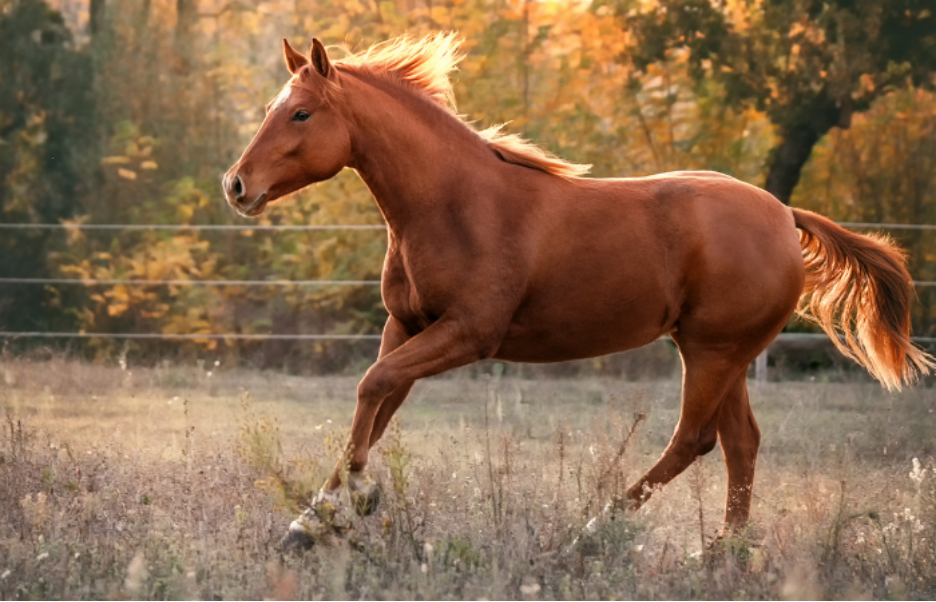
That’s why, in horses, knowledge of the fascia lines becomes so valued. These fascial pathways reflect how different parts of the body are integrated together. For example, a restriction near the shoulder might affect engagement through the back or hind end. With these connections, horse owners can observe changes in movement and further improvements in overall flexibility much sooner.
As it is when the fascia is supple and responsive, horses often move with freedom, maintaining more balanced gaits. This becomes restricted, and the body compensates in ways that can lead to stiffness or inefficient movement patterns.
Common Factors that Influence Equine Fascia Health
Fascia condition in horses may be influenced by various factors. In this regard, some of the most important are
Age-Related Changes
With age, fascia can lose elasticity and hydration, which may impact flexibility, length of stride, and comfort. As such, in the case of senior horse care, it becomes integral to make sure fascia mobility is supported, among such options as thoughtful conditioning and appropriate nutrition.
Workload and Training Intensity
All too often, athletic horses experience minor strains, repeated tension, or asymmetry in their loading patterns, all of which commonly result in chronic fascia tension. Regular stretching, in addition to proper conditioning along with knowledge regarding equine fascia lines, will help optimize the movement.
Limited Turnout or Restricted Movement
Horses are designed to move regularly. Extended periods of stall rest or low activity stiffen the fascia and reduce mobility overall. Increased opportunities for natural movement can greatly benefit the ongoing health of a horse’s fascia.
Saddle Fit and Equipment Pressure
Poorly fitted saddles or tack that causes pressure on sensitive areas may influence soft tissue and fascial layers. Even minor pressure points may affect compensatory mechanisms of the body during movement.
How Fascia Influences Comfort and Flexibility
Fascia is involved in so much more than the mechanics of movement. Its condition contributes to how comfortable or uncomfortable a horse may feel, even when exercising or during the most basic functions of life. Here is how healthy fascia supports the horse’s body:
Better Range of Motion
When the fascia glides over muscles and bones effortlessly, joints can move more naturally and fluidly. This can support the work of a horse joint supplement, stretching routine, or conditioning program.
More Balanced Posture
Since fascia is connected throughout the body, restrictions can subtly shift the posture of the horse. The more flexible the fascia, the more natural the alignment and the less compensatory movement there will be.
Efficient Use of Muscles
Healthy fascia helps to transmit forces more effectively throughout the body. What this means is when the horse uses its hind end, lifts its back, or transitions between gaits, the effort may feel more coordinated.
Positive Influence on Comfort of Joints
While the state of fascia does not replace joint care practices, its condition does affect how freely the body can mobilize around joints. Some owners may combine fascia-focused care with a horse joint supplement to support comfort and mobility in general.
Supporting Fascia Health: Practical Approaches for Horse Owners
There are many supportive methods that you can add to your horse’s regimen to keep the horse’s fascia flexible and comfortable.
Gentle Stretching and Mobility Work
Regular gentle dynamic and static stretching maintains the hydration and responsiveness of the fascial layers. Neck stretches, pelvic tilts, and ribcage mobility are simple additions easily incorporated into the daily routine.
Consistent, Low-Impact Movement
Turnout and relaxed walking will help with natural circulation for fascial suppleness. Even 10–15 minutes of hand-walking can encourage better mobility.
Awareness of Training Balance
Cross-training with diversified movements will include circles, straight lines, lateral work, and transitions to avoid repeated tension affecting fascia lines in horses.
Nutrition Support
Some owners add a horse joint supplement to their health regimen. While joints and fascia are not the same tissue, general support of connective tissues might contribute to a more holistic approach to mobility and comfort.
Professional Bodywork
Specific support for fascial restrictions can be given by a massage therapist, myofascial release practitioner, or equine physiotherapist.
Final thoughts
Fascia health is integral to the comfort, flexibility, and general quality of movement in horses. Understanding the fascia lines within horses, encouraging natural mobility, and being proactive with supportive care, which includes appropriate conditioning, all contribute to helping owners support long-term well-being; using a horse joint supplement is necessary.
For those looking to expand their equine wellness routine, some owners choose options like OptiWize Collagen Plus as part of their broader connective-tissue support plan.
