
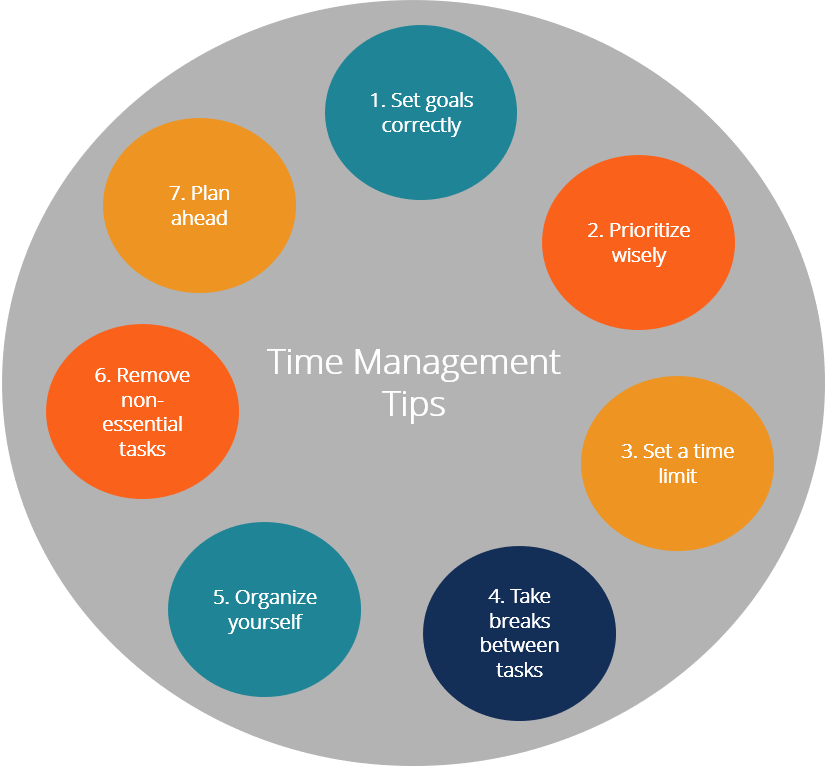
It can be challenging to prepare for the CFA course along with a full time job, but smart planning and discipline can support this commitment. Working individuals struggle with long hours at the office and personal obligations which makes studying feel nearly impossible. That said, with effective time management it is possible to remain consistent and incremental towards readiness for the exam, without burnout.
A structured study plan helps create a routine that is constructive for your professional obligations, this increases efficiency! By learning to chunk topics, break them down into manageable pieces and identify high-weight topics, you can maximize limited time for studying.
CFA Course: Time Management Tips for Full-Time Working Professionals
1. Set Realistic Study Goals and Break Them Down
Start by deconstructing CFA syllabus into manageable study milestones. Rather than managing whole subjects at once, break down curriculum into smaller and weekly milestones. This tends to provide organized and minimize your feeling overwhelmed on a regular basis.
Professionals who determine their commitments can design realistic schedules that align with their working hours. Also take into account preparation time and supplies before doing practice exams and during multiple iterations of revision day. In addition, prepare your study budget and don’t forget about CFA Level 1 fees, when preparing to allocate money.
2. Leverage Early Mornings and Commute Hours
The morning hours are the time of maximum productivity and peace of mind! Dedicate 60 to 90 minutes before the work to study key concepts or to solve practice questions. This approach enables you to start the day on high note and build momentum without any external distractions.
In addition, professionals who commute can make productive use of travel time by listening to audio summaries or revision podcasts. This habit converts idleness into productive learning. It can be combined with smart financial planning for fees associated with the CFA Level 1 fees, so your learning materials and tools are relevant to your preparation strategy.
3. Follow the 3-Phase Study Strategy
A precisely organized three-stage approach – learning, practice, and revision can facilitate covering the vast syllabus of CFA course. During the learning phase, make sure to build an understanding of concepts/formulas. After that practice stage should be merely solving as many questions as possible.
Each of the phases should have structured timelines for each phase, so there is no last minute panic.Balancing this with the work commitment becomes easier when you maintain consistency. Professionals can benefit from early registration, which offers financial edge by reducing CFA Level 1 fees and allows them to allocate time for the preparation.
4. Use Weekends for Deep Study
The weekends offer opportunities for longer and more focused study sessions! This is especially true if you have an ambitious plan to review several more difficult topics, practice questions from previous exams, and identify patterns in the topics they cover over the course of your preparation!
Treat your weekend study hours like professional commitments, block them on your calendar and reduce distractions. Incorporating a mix of reading, practice and revision makes sure better concept clarity and the exam readiness.
5. Monitor Progress Regularly
Often, we are unaware of how much effort we need until we start keeping up with our progress. You’ll want to keep a weekly or bi-weekly record of how much studying you have been able to complete each week, as well as which topics you find difficult.
Beyond tracking your progress in a notebook, you may also use digital planners to track your progress, in tools like excel or specifically in a CFA course prep app; it is a great, visual way to see what you have accomplished week to week!
6. Maximize Productivity with Focused Study Blocks
The Pomodoro technique encourages you to change how you study from multitasking or passively studying into focused study of 45 to 60 minutes, followed by a break of 10 to 15 minutes. It allows you to maximize your focus, minimize fatigue, and maximize your capacity of learning.
While studying, it is important to focus on one specific idea or a set of questions per session! Avoid notifications from your phone or social media in addition to emails. In other words, just a few hours of focused study are much better than long or distracted blocks of time.
7. Use the Final Month for Revision and Practice Exams
The last month before the CFA exam must be dedicated to revising concepts and solving practice reports. By this stage, you must aim to take at least four to five full-length mock exams under the timed conditions to simulate real experience.
Analyze each assessment for opportunities of weakness then review those areas! Review at this point reinforces your memory, builds your confidence and refines your timing for exam day. This way when you are at the actual test, you will feel well prepared and relaxed.
Conclusion
Studying for the CFA course while working full-time is a challenge, but it can be organized so you can manage studying with a full-time job. By being smart with time management, you can develop a structured study schedule, focus on the higher weighted topics, stick to quick study sessions, and remain consistent with studying without experiencing burnout. To know more about the CFA certification exam pattern, scope, and more aspects, contact the Zell Education team today!
FAQs
1. How can I balance work and CFA preparation effectively?
Establish a well-structured weekly schedule and stick to small and consistent study targets.
2. How many mock exams should I take before the exam?
4 to 6 full-length mock exams are suggested to develop your time management skills and confidence on exam day.
3. How can I stay focused during study time for a CFA course prep course?
Find a quiet study environment, use the Pomodoro technique, and explore learning methods that keep you engaged.
