
Selecting the right commercial roofing contractor is a high-impact decision for any business owner, property manager, or facilities director.
A commercial roof protects assets, supports daily operations, and directly affects long-term maintenance and energy costs.
Yet with many contractors offering similar services, understanding what separates a qualified professional from a risky choice is essential.
Industry experts consistently note that informed roofing decisions reduce unexpected repairs, extend roof lifespan, and improve overall building performance, making contractor selection a strategic business move rather than a reactive one.
Understanding the Complexity of Commercial Roofing Systems
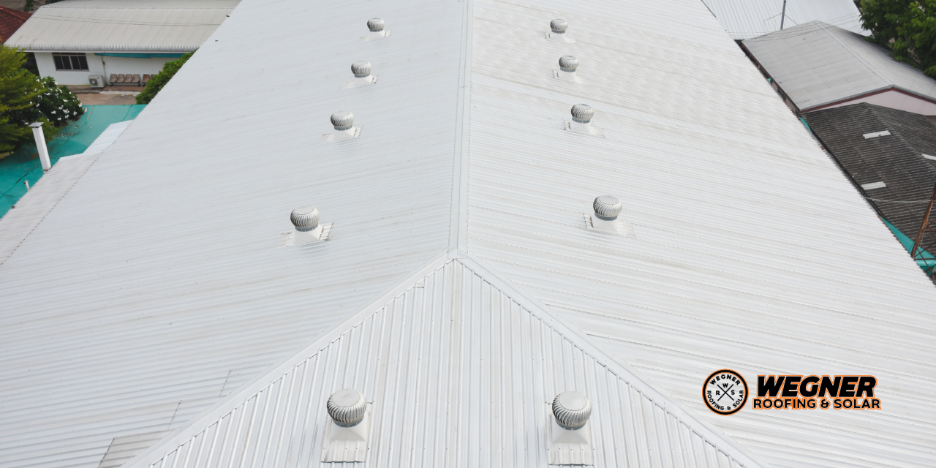
Commercial roofing systems differ significantly from residential applications. Most commercial buildings feature flat or low-slope roofs that require specialized materials, precise drainage planning, and strict adherence to building codes.
Common systems include TPO, EPDM, modified bitumen, metal roofing, and built-up roofing assemblies.
Experienced contractors understand how these systems perform under environmental stress, foot traffic, mechanical equipment loads, and long-term exposure.
This technical knowledge becomes especially valuable when decision-makers search for commercial roofers near me, as proximity alone does not guarantee expertise.
What Experienced Commercial Roofers Do Differently
Trusted commercial roofing professionals take a comprehensive approach rather than offering surface-level fixes.
They assess the entire roofing system, identify moisture intrusion risks, and recommend solutions aligned with the building’s purpose, budget, and lifecycle expectations.
Key indicators of professional expertise include:
- Thorough roof inspections using advanced diagnostic methods.
- Detailed documentation for budgeting, compliance, and insurance needs.
- Code-compliant installations aligned with manufacturer specifications.
- Long-term maintenance planning to prevent premature system failure.
These practices help minimize operational disruptions and reduce the total cost of ownership over time.
The Role of Preventive Maintenance in Cost Control
Preventive maintenance is one of the most effective strategies for controlling long-term commercial roofing costs.
Rather than reacting to leaks or visible damage, proactive care focuses on identifying vulnerabilities early before they disrupt operations or require major capital investment.
Key benefits of a preventive maintenance program include:
- Early detection of membrane punctures, seam separation, and surface wear.
- Identification of flashing deterioration around vents, skylights, and roof edges.
- Removal of debris that can clog drains and cause standing water.
- Documentation that supports warranty compliance and budget forecasting.
Industry professionals typically recommend inspections at least twice per year, along with additional assessments following severe weather events.
When evaluating commercial roofers near me, experienced building owners often prioritize contractors who emphasize maintenance planning alongside repairs and installations.
This approach not only extends roof lifespan but also reduces unexpected expenses and operational downtime.
Credentials, Experience, and Accountability Matter
Commercial roofing projects require a higher level of accountability than many property owners initially expect.
Because these systems protect valuable assets and ensure business continuity, contractor qualifications play a critical role in project success.
Reputable commercial roofing contractors demonstrate credibility through:
- Active state and local licensing that meets regulatory requirements.
- Comprehensive insurance coverage to protect property owners and workers.
- Safety certifications and ongoing training programs.
- Manufacturer credentials that support warranty-backed installations.
Beyond credentials, proven experience is equally important. Contractors with a strong commercial track record are better equipped to manage complex timelines, coordinate with other trades, and address unforeseen challenges.
Most importantly, they stand behind their workmanship long after the project is completed, providing reliable support, clear documentation, and dependable warranty service when it matters most.
Commercial Roofing and Energy Efficiency
Commercial roofing systems increasingly play a key role in energy efficiency and sustainable building performance.
Modern materials and installation techniques are designed to reduce heat transfer, improve indoor comfort, and lower overall energy consumption.
Energy-efficient roofing strategies often include:
- Sun-reflective surfaces that lower rooftop heat levels.
- Proper insulation to stabilize interior temperatures year-round.
- Airflow setups that block moisture buildup and trap less heat.
- Roofing assemblies designed to meet energy codes and efficiency standards.
In addition to lowering heating and cooling costs, energy-efficient roofing solutions can support regulatory compliance and long-term sustainability goals.
Knowledgeable commercial roofing professionals help property owners evaluate which systems align best with building usage, climate conditions, and performance expectations, ensuring efficiency improvements translate into measurable operational savings over time.
A Smarter Roofing Decision Starts With the Right Partner
Choosing the right commercial roofing contractor is a strategic decision that directly affects a building’s performance, operational costs, and long-term durability.
By focusing on experience, preventive maintenance, energy-efficient solutions, and contractor accountability, commercial property owners can significantly reduce risk while maximizing the lifespan of their roofing systems.
For trusted commercial roofing expertise, businesses can visit wegnerroofing.com to connect with the team at Wegner Roofing & Solar.
FAQs About Commercial Roofing
1. How long can a commercial roofing system be expected to perform before replacement is needed?
Most commercial roofing systems last between 20 and 40 years, depending on material quality, installation standards, and ongoing maintenance.
2. How frequently should commercial roofing systems be professionally evaluated?
Industry professionals recommend inspections at least twice annually, typically in spring and fall, as well as after major weather events.
3. Is repair or replacement better for aging commercial roofs?
The decision depends on moisture intrusion, structural integrity, and remaining service life. A professional evaluation helps determine the most cost-effective long-term solution.
