
One of the most significant tasks, which is common to teachers, parents, and learners, is to create a safe and supportive school environment. Although policies, supervision, and disciplinary procedures are significant, a factor that is usually ignored is student empowerment. Once students learn how to identify negative behaviour and react in a safe environment, they will become active members of the process of forming a favourable school environment. It is in this place that upstander training is necessary.
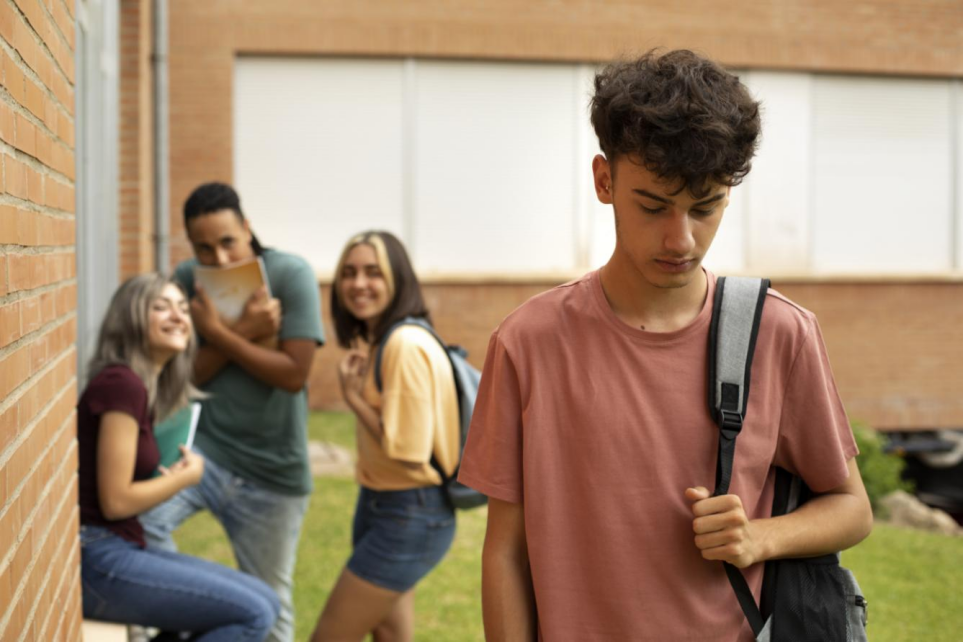
In most workplaces, bullying continues not only due to the perpetrators who involve themselves in malicious activities but also because those around may not take any action. Learning to be not a silent witness but a responsible, confident, and upstanding person is a technique that can significantly affect the frequency of bullying and the speed at which problems are solved. Since the issue of bullying in schools remains on the national agenda, school administrators are starting to incorporate the idea of upstanders into their approaches towards safety and character education.
Bullying in Schools
Bullying is a common issue that has influenced the emotional state, academic performance, and belonging of the students. It may be in different forms, such as teasing, social exclusion, physical aggression, and harassment on the Internet. A lot of the bullying happens behind closed doors, even in the presence of adults; on buses, in hallways or online.
The passive role of the bystanders is one of the greatest barriers to curbing bullying. Most students are exposed to detrimental behaviour and they will not interfere due to such reasons:
- The fear of being the next target
- Uncertainty about what to do
- Discouraged when talking to peers
- Possession that adults are supposed to cope with
- Fear of being in a worse position
Upstander training helps to eliminate these fears, providing students with practical and safe methods that they could employ to help others without placing themselves in danger.
What Upstander Training Teaches Students
Upstander training provides students with the knowledge, vocabulary, and courage they require in cases when they witness harm. It extends beyond conventional anti-bullying communication and is about empowerment, empathy, and communication.
The following are the major elements that are normally incorporated in effective programs:
Identifying Unhealthy Behaviour
Learners get to recognise subtle and overt bullying such as social manipulation, exclusion, online harassment, and gossiping. By learning such patterns, students can be able to take them seriously and appreciate them at an early age.
Safe Intervention Strategies
Direct confrontation is not necessarily needed in every situation. Upstander training provides various solutions to allow students to decide which one is the safest:
- Diverting a stressful situation
- Providing help to the targeted student in the future
- Reporting to a trusted adult
- Being on the same level with a peer in order to demonstrate solidarity
- Diverting the behaviour using humour (where necessary)
This diversity would make sure that students are never made to feel that it is necessary to intervene with a risk to them.
Empathy and Perspective-Building
There is a high focus on the knowledge about the impact of bullying on psychological and emotional well-being. When learners learn to put themselves in the position of another individual, they tend to be more caring bystanders and forceful advocates.
Communication and Social Confidence
Programs assist students to rehearse real life situations by role play, group discussions, and reflections. This gives them confidence and gets them ready to face the actual scenarios.
Creating a Culture of Respect
Students should also realise that their small or big actions can influence school culture and thus are more accountable to the environment they are contributing to.
The Role of Upstander Training in Improving School Environment
Upstander programs can change the community life on a campus. Bullying becomes powerless when students are ready to take any action.
- Fewer Incidents Escalate
Early warning signs are common among students that adults are likely to overlook. Conflicts can be prevented by quick and safe intervention.
- Bullied Targets feel Supported
Peer intervention or subsequent follow-up will contribute to lessening the isolation and fear. One of the best protective mechanisms against the long-term emotional effects is the supportive peer relationships.
- Bullying Behaviours Decline over Time
Social rewards that are commonly related to bullying start to depreciate when the students understand that their fellow students will not tolerate their harmful acts.
- Better Community and Trust
In schools with upstander practices, relationships between students tend to be more robust, interpersonal respect tends to be higher, and their communication with the staff is more meaningful.
Why Students Are Uniquely Positioned to make a Difference.
Adults cannot be everywhere, and many bullying interactions are subtle or hidden. Students, in turn, are in the conversation, group life, or even digital interaction, of which adults have no idea.
Upstander training will allow students to be authorised to own their community. It makes them realise that they are not passive observers of their surroundings; they are active participants in their cultures.
Students also change behaviour norms when they are confident that they can act, and rules on their own never will.
The Long-term Benefits of Upstander Training
In addition to the immediate safety improvement, the effects of upstander training are long-term:
- Better interpersonal abilities
- Increased empathy
- Increased conflict-management skills
- A more inclusive mindset
- Increased social responsibility
- Readiness to meet real life challenges
The skills also help students even in their adulthood, where their relationships, workplaces and communities are affected.
Final thoughts
Due to the ever-increasing insights about bullying in schools, student empowerment is one of the best interventions that a school can make. As an intervention, upstander training provides the youth with practical skills, emotional intelligence, and courage to intervene when they witness harm. As soon as students decide to help each other, be vocal, and create a sense of respect, the school environment will become safer. The programs that are centred on upstanders are not only aimed at resolving the existing bullying problems but also contribute to creating a generation of responsible, compassionate, and brave people.
